Skip to content
For decades, luxury travel was defined by excess — chauffeur-driven arrivals, marble lobbies, oversized suites, and meticulously staged grandeur. But polished perfection eventually became predictable, leaving travellers craving something rare, grounding, and deeply real.
A new question is rewriting the meaning of luxury:
“Where can I find something authentic — something that reconnects me to nature?”
This is the philosophy shaping the future of luxury hospitality. And it’s the experience at the heart of Arbor Road Estate.
The Global Shift From “More” to “Meaning”
Affluent travellers across the world are abandoning traditional opulence in favour of stillness, nature, and seclusion. Travel advisors now hear requests for “something meaningful” as often as “something exclusive,” and nature-first itineraries are surging across major luxury markets.
Recent data reveals a clear trend:
- 78% of luxury travellers consider sustainability essential
- Small-format estates under 20 keys outperform large resorts by 40% in guest satisfaction
- Properties with greater land-per-key ratios see the strongest growth in bookings
True privacy can’t be replicated with architecture alone.
It must be protected by space, silence, and land.
And in a world that grows louder every year, space has become the ultimate luxury.
Eco-Luxury: Comfort Designed With Nature, Not Against It
Eco-luxury is not rustic or minimalist — and it does not require sacrifice.
Instead, it is a design philosophy:
Comfort should blend with nature, not compete with it.
Eco-tourism now represents over 30% of responsible travel and is the fastest-growing segment of the luxury sector. Modern travellers want less spectacle and more presence. Less distraction and more grounding. Less “look at me” and more “let me breathe.”
Luxury has evolved into a feeling, not a showpiece.
A Quiet Revolution in Taste
Spend one morning walking across private estate lands instead of a crowded resort pathway, and the transformation is instant:
- Sunlight through native trees replaces chandelier glare
- Birdsongs replace the clatter of breakfast halls
- Natural textures like stone, timber, and earth replace chrome and glass
Here, luxury is not performed — it is felt.
It reconnects travellers not only to nature, but to themselves.
Why High-Net-Worth Travellers Now Seek Quietude
Today’s elite travellers can buy anything — except quiet.
They can book privacy — but not always peace.
They can access space — but rarely freedom.
This is why micro-resorts, boutique eco-estates, and low-density properties are now the most coveted experiences in luxury travel.
The new value equation in luxury:
- Low density = High value
- More land = More freedom
- Fewer guests = A deeper reset
A peaceful morning walk through acres of private landscape restores clarity, balance, and perspective in ways no spa treatment can replicate.
This intangible feeling — that a beautiful place seems to belong entirely to you — has become the purest expression of modern wealth.
Only nature-led, small-format estates can offer it.
And few do it as authentically as Arbor Road Estate.
Arbor Road Estate: Where Silence Becomes the New Luxury
Arbor Road Estate is not a typical luxury resort.
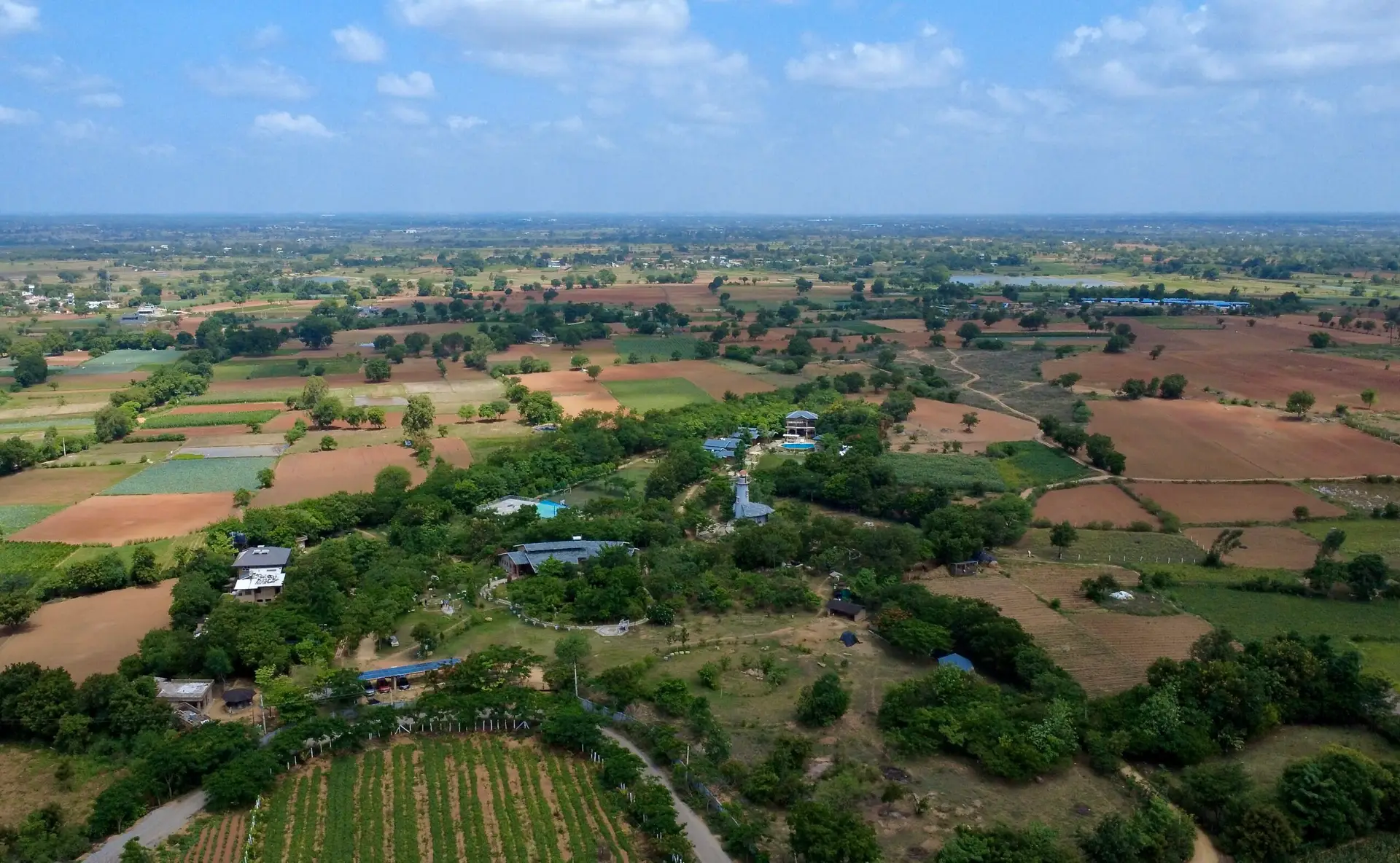
It is a sanctuary of land, nature, and profound stillness, crafted for travellers who value privacy, sustainability, and authentic connection to the environment.
What sets Arbor Road Estate apart?
- Expansive acreage per key
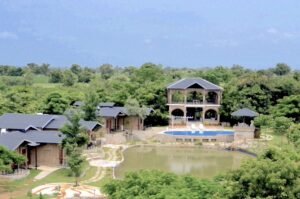
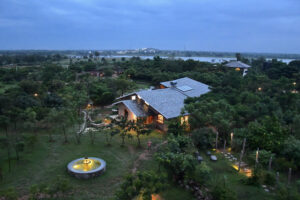
- Low-density eco-luxury design
- Immersive nature-first experiences
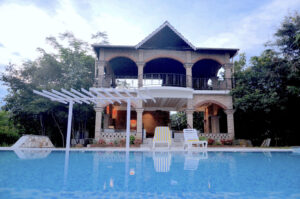
- Architectural harmony with the landscape
- A protected environment where silence is part of the experience
At Arbor Road Estate, luxury is measured not by extravagance but by space, quiet, nature, and presence.
Here, nature leads — and guests follow.
This is the future of luxury travel.
This is what the world’s most discerning travellers now seek.
And Arbor Road Estate sets the new bar.